Can Simple Commerce and Web Edit Panel in eProfitify help Organic Herb Growers

Schedule a LIVE Zoom call with an eProfitify Expert.
The organic herb industry is experiencing unprecedented growth, driven by rising consumer demand for natural, sustainably produced goods. According to the Organic Trade Association, the U.S. organic food market surpassed $60 billion in 2022, with herbs and spices contributing significantly to this figure. A 2023 report by Grand View Research projects the global organic food market to grow at a compound annual growth rate (CAGR) of 8.5% through 2030, reflecting a broader shift toward health-conscious consumption. However, organic herb growers—often small-scale operations—face challenges in scaling their businesses, managing customer relationships, and maintaining an online presence. eProfitify, a leading website publishing and management platform, addresses these pain points through tools like Simple Commerce and Web Edit Panel, alongside features such as CRM, instant messaging, and appointment management.
Challenges Faced by Organic Herb Growers
- Limited Digital Presence: Many herb growers lack the technical expertise to build or maintain websites. A 2023 survey by AgriTech Analytics revealed that 65% of small-scale organic farms lack optimized e-commerce platforms, limiting their reach.
- Inefficient Sales Channels: Traditional sales methods (farmers’ markets, wholesale) restrict market access. The USDA notes that only 28% of organic producers utilize online sales, despite 79% of consumers preferring to buy organic products digitally post-pandemic.
- Customer Relationship Management: Tracking buyer preferences and order histories manually is time-consuming, leading to missed opportunities for personalized marketing.
- Operational Coordination: Scheduling harvests, consultations, or farm tours via phone or email creates logistical bottlenecks.
eProfitify’s Integrated Solutions
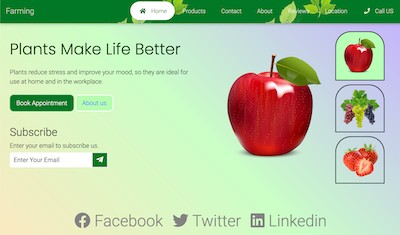
eProfitify simplifies digital transformation for organic herb growers by offering an all-in-one platform with tools tailored to agricultural businesses.
1. Simple Commerce: Streamlined E-commerce Integration
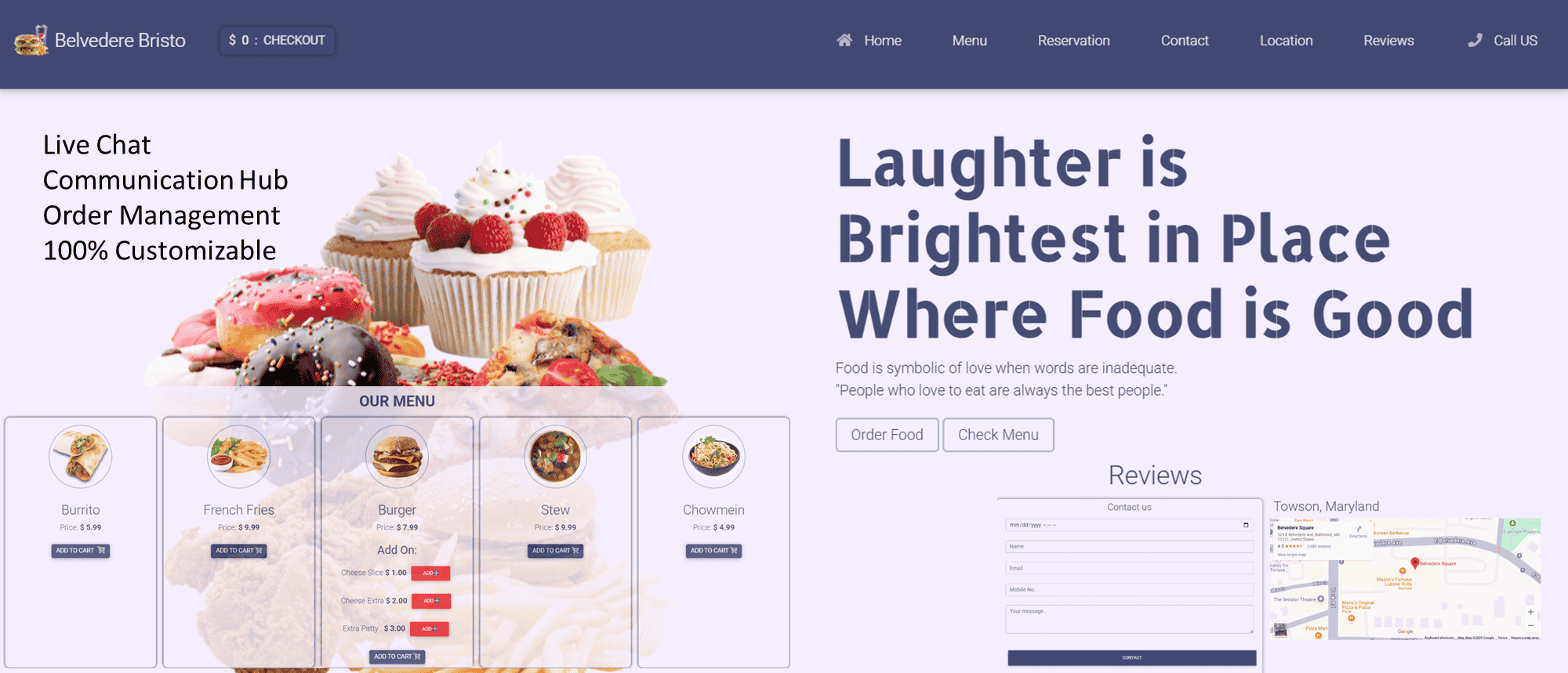
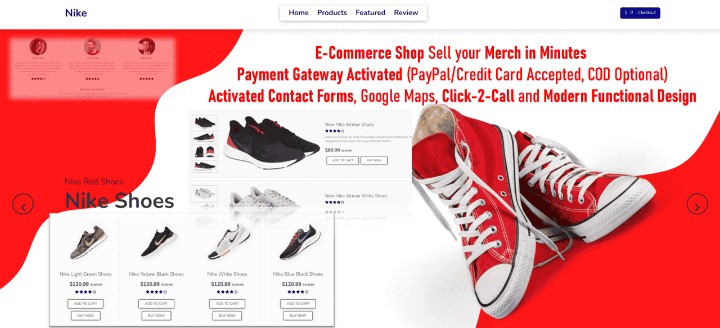
Simple Commerce enables growers to launch online stores within minutes. Key features include:
- Product Listings: Upload herbs (fresh/dried), seeds, or DIY kits with high-resolution images and SEO-friendly descriptions.
- Multi-Channel Sales: Sync inventory across social media profiles, marketplaces, and the farm’s website.
- Secure Payments: Offer options like Stripe, PayPal, and cryptocurrency, reducing checkout friction.
- Inventory Alerts: Automated notifications for low stock, preventing overselling.
Impact: Farms using integrated e-commerce platforms report a 40% increase in sales within six months (2023 AgriTech Analytics data).
2. Web Edit Panel: Effortless Website Management
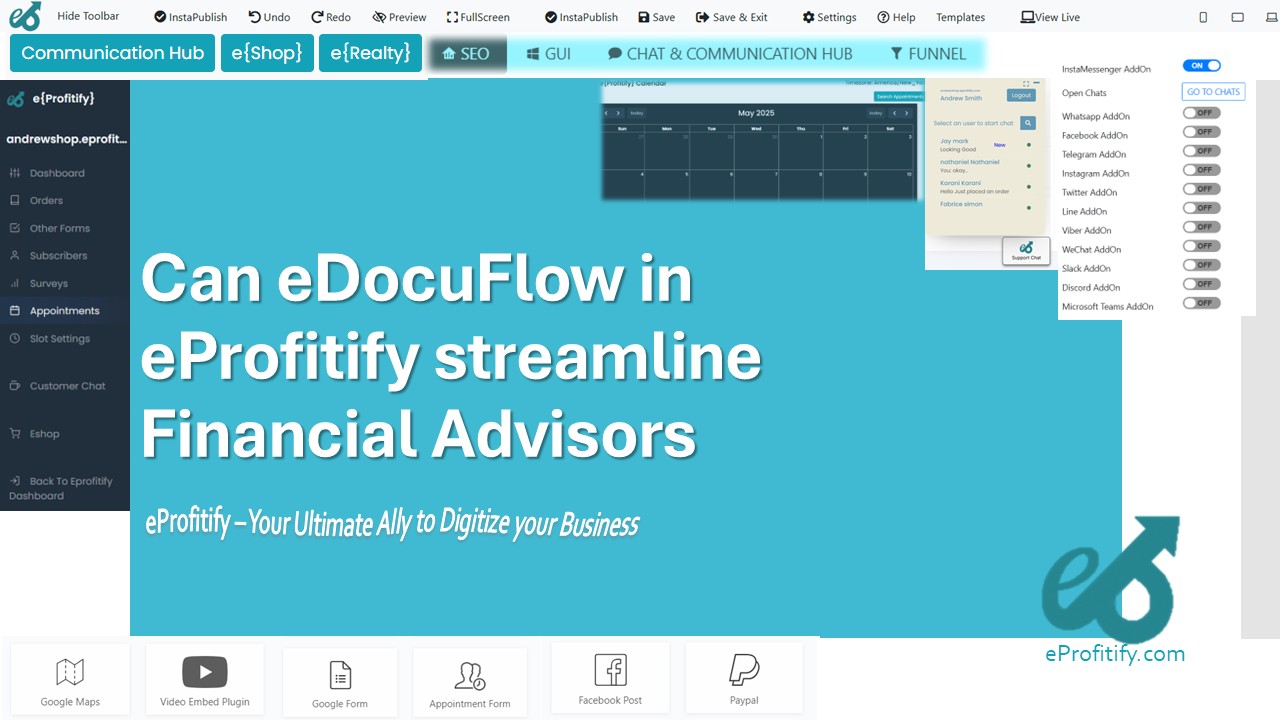
The drag-and-drop Web Edit Panel empowers growers to update content without coding:
- Mobile Optimization: 60% of organic product searches occur on mobile devices (Statista, 2023). The panel ensures responsive design.
- SEO Tools: Meta tags, alt text, and blog integration improve search rankings. Farms using SEO see a 35% higher website traffic.
- Analytics Dashboard: Monitor visitor behavior and sales trends in real time.
3. CRM: Building Customer Loyalty
eProfitify’s CRM centralizes customer data, enabling:
- Segmentation: Group buyers by purchase history (e.g., medicinal vs. culinary herb buyers).
- Automated Campaigns: Send personalized emails for restock reminders or seasonal promotions. A 2022 Email Analytics study found targeted campaigns boost repeat sales by 52%.
- Feedback Collection: Post-purchase surveys help refine product offerings.
4. Appointment Management System
Coordinate farm tours, workshops, or B2B meetings efficiently:
- Self-Booking Portals: Buyers schedule visits via the farm’s website.
- Calendar Sync: Avoid double-bookings with Google Calendar and Outlook integration.
- Reminders: SMS/email alerts reduce no-shows by 70% (Hospitality Tech Index, 2023).
5. Instant Messaging: Enhancing Collaboration
Internal chat features allow teams to:
- Discuss harvest timelines.
- Coordinate with suppliers or distributors.
- Resolve customer queries instantly, improving response times by 80%.
Additional Features Driving Efficiency
- AI-Powered Analytics: Predict demand spikes using weather and market trends.
- Social Media Integration: Auto-post updates to Instagram or Facebook, where 45% of organic brands acquire new customers.
- Subscription Models: Offer herb-of-the-month clubs, ensuring recurring revenue.
Case Study: GreenLeaf Herbs’ Success with eProfitify
GreenLeaf Herbs, a Vermont-based farm, adopted eProfitify in 2022. By leveraging Simple Commerce, they expanded to 15 new states, increasing online revenue by 200%. The Web Edit Panel allowed them to launch a blog educating customers about herbal benefits, tripling website engagement. CRM-driven email campaigns raised customer retention by 65%, while appointment bookings for farm tours grew by 90%.
Conclusion
Organic herb growers must embrace digital tools to remain competitive. eProfitify’s holistic suite—spanning e-commerce, CRM, and operational management—eliminates barriers to growth. With 87% of consumers expecting businesses to offer seamless online experiences (McKinsey, 2023), platforms like eProfitify are no longer optional but essential. By integrating these tools, growers can focus on cultivation while eProfitify handles the rest, ensuring sustainability in both agriculture and business.