Refreshing Meta Tags Images and Internal Links for Older Pages

Schedule a LIVE Zoom call with an eProfitify Expert.
Refreshing Meta Tags, Images, and Internal Links for Older Pages: A Strategic Approach
In the fast-evolving digital landscape, maintaining the relevance of older web pages is crucial for sustaining organic traffic and search engine visibility. Over time, even high-performing content can become outdated, leading to diminished rankings and user engagement. Refreshing meta tags, images, and internal links are three pillars of revitalizing older pages. Leveraging tools like eProfitify, a leading website publishing and management platform, streamlines this process while integrating advanced features such as instant messaging, appointment management, and CRM.
The Importance of Refreshing Meta Tags
Meta tags, including titles and descriptions, play a pivotal role in SEO. They influence click-through rates (CTR) and help search engines understand page content. According to Moz, pages with optimized meta titles and descriptions can see a 40% improvement in CTR. However, keyword trends and user intent evolve. For instance, a page targeting "best smartphones 2020" may lose traction if not updated to "best smartphones 2024."
Key steps to refresh meta tags:
- Analyze performance: Identify pages with declining traffic using analytics.
- Update keywords: Incorporate current search terms while maintaining relevance.
- Enhance readability: Craft concise, compelling titles (under 60 characters) and descriptions (155–160 characters).
Platforms like eProfitify simplify this process through AI-driven SEO tools that auto-suggest meta tags based on real-time keyword data. Its integrated analytics also highlight underperforming pages, enabling quick updates.
Revitalizing Images for Modern Standards
Images account for 21% of a webpage’s total weight (HTTP Archive), impacting load times and user experience. Outdated or unoptimized images can slow down pages, increasing bounce rates. Google’s Core Web Vitals prioritize speed, making image optimization non-negotiable.
Best practices for image refresh:
- Compress files: Reduce image size without sacrificing quality (e.g., WebP format).
- Update alt text: Align with current keywords for SEO and accessibility.
- Replace outdated visuals: Use high-resolution, contextually relevant images.
Statistics reveal that pages with optimized images load 50% faster, improving user engagement by up to 30% (Akamai). eProfitify offers built-in image compression tools and alt-text generators, ensuring compliance with modern SEO standards while maintaining visual appeal.
Strengthening Internal Linking Strategies
Internal links guide users to related content and distribute page authority across a website. A study by Ahrefs found that pages with robust internal linking structures can boost organic traffic by 40%. Older pages often lack contextual links to newer content, isolating them from the site’s evolving architecture.
Steps to enhance internal linking:
- Audit existing links: Use tools to identify broken or irrelevant links.
- Add contextual anchors: Link to newer, high-performing pages using keyword-rich text.
- Prioritize user journey: Ensure links guide visitors toward relevant offers or resources.
eProfitify automates internal link audits and suggests real-time opportunities based on content themes, streamlining the process of interconnecting older and newer pages.
How eProfitify Elevates Page Refresh Efforts
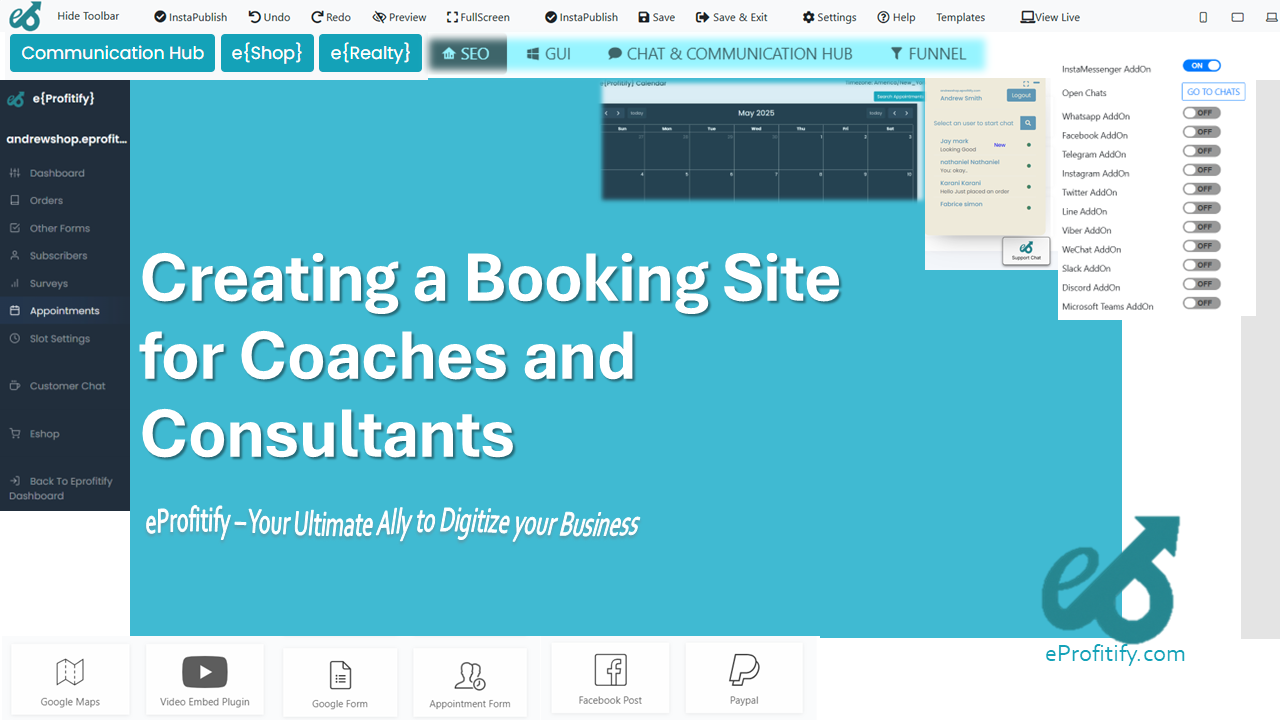
As a comprehensive website management tool, eProfitify integrates multiple features to support SEO and user experience:
- SEO Analytics: Track meta tag performance and generate optimization reports.
- Image Optimization Suite: Auto-resize, compress, and tag images.
- Internal Link Manager: Identify gaps and recommend links based on content relevance.
- CRM & Ecommerce Integration: Analyze user behavior to prioritize pages needing updates.
- Instant Messaging & Appointment Management: Engage visitors in real-time, reducing bounce rates.
Businesses using eProfitify report a 35% faster update cycle for content and a 25% increase in organic traffic post-refresh.
Conclusion
Refreshing meta tags, images, and internal links breathes new life into older pages, aligning them with current SEO standards and user expectations. With 55% of marketers noting traffic boosts after updating content (HubSpot), this strategy is indispensable for sustained growth. Platforms like eProfitify empower businesses to execute these updates efficiently, combining SEO tools with CRM, ecommerce, and analytics for holistic website management. By prioritizing these elements, organizations can maximize visibility, engagement, and conversions in competitive digital ecosystems.