How Often Should You Update Your Startup Website?

How Often Should You Update Your Startup Website?
For startups, a website is often the first point of contact for potential customers, investors, and partners. In a fast-paced digital landscape, keeping your website updated is critical to maintaining relevance, security, and user engagement. But how often should you update your startup website? The answer depends on factors like your industry, business goals, and resources. This article explores best practices for website updates, backed by statistics, and introduces eProfitify—a leading website publishing and management tool—to streamline the process.
Why Regular Website Updates Matter
Before diving into frequency, let’s understand why updates are essential:
- SEO Performance: Search engines prioritize fresh, high-quality content. Websites updated regularly rank higher in SERPs.
- User Experience (UX): Modern users expect fast, intuitive, and visually appealing sites. Outdated designs or slow load times increase bounce rates (which average 53% for mobile users, per Portent).
- Security: Cybersecurity threats evolve daily. Regular updates patch vulnerabilities and protect sensitive data.
- Brand Credibility: An outdated website can erode trust. 48% of users cite website design as the #1 factor in determining business credibility (Adobe).
- Conversion Optimization: Updated landing pages and CTAs align with changing customer preferences, improving conversion rates.
How Often Should You Update Your Startup Website?
While there’s no one-size-fits-all schedule, here’s a breakdown of key areas to monitor:
1. Content Updates: Weekly to Monthly
Blogs, case studies, and news sections thrive on fresh content. Startups should aim for:
- Blog Posts: Publish 2–4 times per month. Companies that blog 16+ times monthly get 3.5x more traffic than those posting 0–4 times (HubSpot).
- Product/Service Pages: Update descriptions, pricing, or images quarterly or when offerings change.
- SEO Metadata: Refresh meta titles/descriptions every 6–12 months based on keyword trends.
2. Design & Technical Updates: Quarterly to Annually
- UX/UI Refresh: Redesign every 2–3 years. Minor tweaks (e.g., button colors, navigation) can be made quarterly.
- Speed Optimization: Test monthly. A 1-second delay in page load time can reduce conversions by 7% (Portent).
- SEO Audits: Conduct quarterly to fix broken links, improve crawlability, and align with algorithm changes.
3. Security Updates: Real-Time Monitoring
Install software patches immediately. Cyberattacks cost small businesses $2.98 million annually on average (Accenture), making weekly vulnerability checks non-negotiable.
4. E-commerce Updates: Continuously
For startups selling online:
- Update inventory listings daily.
- Refresh promotions/seasonal banners weekly.
- Analyze checkout flows monthly to reduce cart abandonment (which averages 69.99%, per Baymard Institute).
5. Compliance & Legal Updates: As Needed
Align with GDPR, CCPA, or industry regulations. Review policies every 6 months.
Challenges Startups Face in Website Maintenance
Limited budgets, small teams, and shifting priorities often lead to neglected websites. Common pain points include:
- Time Constraints: Balancing updates with core business operations.
- Technical Complexity: Managing plugins, security, and integrations.
- Consistency: Maintaining a steady content pipeline.
How eProfitify Simplifies Website Management
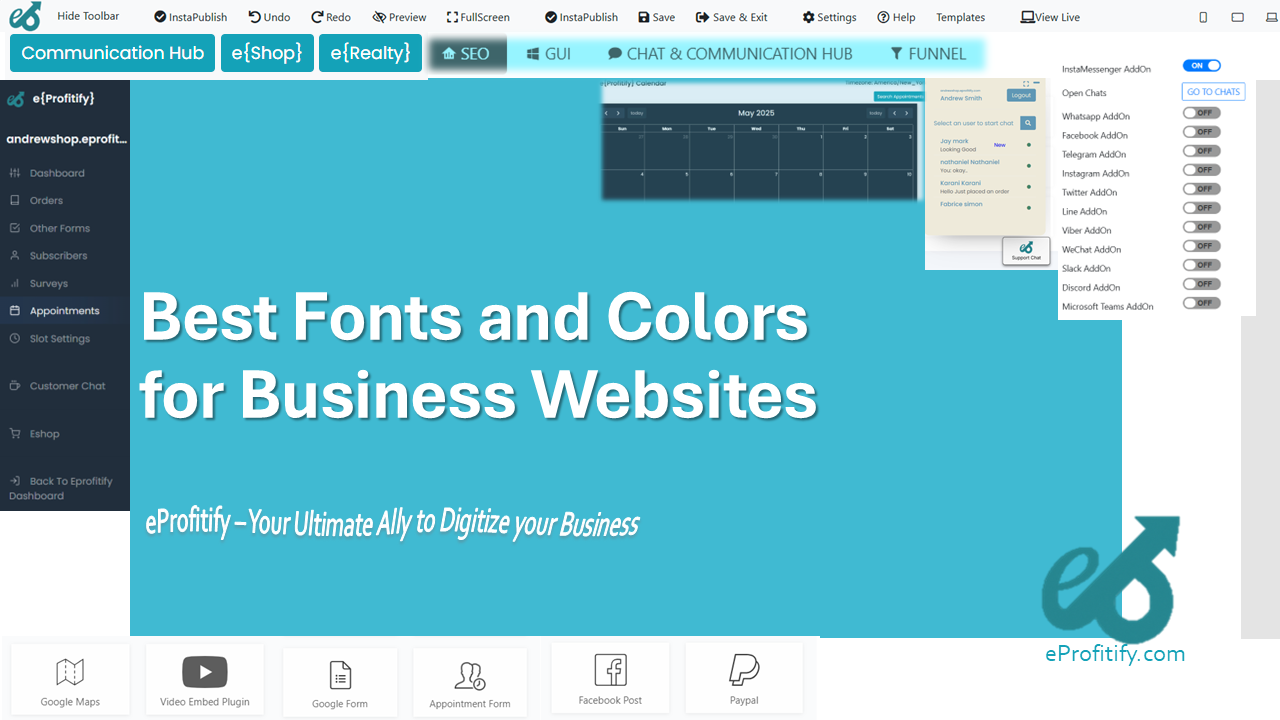
This is where eProfitify, a comprehensive website publishing and management platform, becomes invaluable. Designed for startups and SMEs, it combines essential tools to automate and streamline updates. Let’s explore its standout features:
1. Instant Messaging & Live Chat
Engage visitors in real time with built-in messaging. Startups can address questions instantly, reducing bounce rates and boosting conversions.
2. Appointment Management System
Ideal for service-based businesses (consultancies, salons). Clients book slots directly via the website, syncing with Google Calendar or Outlook.
3. E-commerce Integration
Set up a scalable online store with inventory tracking, payment gateways, and abandoned cart recovery—no coding required.
4. CRM Integration
Manage leads and customer data seamlessly. Sync interactions from your website to the CRM to personalize follow-ups.
5. Pre-Built Templates & Drag-and-Drop Editor
Redesign pages in minutes, ensuring your site stays modern without developer costs.
6. SEO Analytics & Scheduling
Plan content calendars, track keyword rankings, and get automated SEO recommendations.
With eProfitify, startups can execute weekly content updates, quarterly design refreshes, and real-time security patches efficiently.
Statistics Reinforcing the Need for Updates
- 75% of users judge a company’s credibility based on website design (Stanford).
- Websites updated monthly see a 2x increase in lead generation (HubSpot).
- 61% of marketers say improving SEO is a top priority (BrightEdge).
Best Practices for Startups
- Audit Regularly: Use tools like Google Analytics and eProfitify’s dashboard to identify outdated pages.
- Automate Where Possible: Schedule blogs, social posts, and security scans.
- Prioritize Mobile: 54.8% of web traffic comes from mobile devices (Statista). Ensure responsive design.
- Test Everything: A/B test CTAs, layouts, and load speeds.
Conclusion
For startups, updating a website isn’t optional—it’s strategic. Aim for weekly content updates, quarterly technical audits, and real-time security monitoring. Tools like eProfitify empower small teams to manage these tasks efficiently, thanks to integrated features like CRM, instant messaging, and e-commerce. By staying agile and leveraging smart platforms, your startup’s website can evolve alongside your business, driving growth and trust in an increasingly competitive digital world.
Statistics Source: HubSpot, Portent, Baymard Institute, Adobe, Accenture.
Tool Mentioned: eProfitify (www.eprofitify.com).
By adopting a proactive approach to website management, startups can turn their site into a dynamic asset that fuels long-term success.