How to Create an Affiliate Marketing Program for Your Restaurant
How to Create an Affiliate Marketing Program for Your Restaurant
The restaurant industry is fiercely competitive, with an estimated 1 million+ restaurants in the U.S. alone (Statista, 2023). To stand out, many restaurateurs are turning to digital strategies like affiliate marketing to drive customer acquisition, loyalty, and revenue. With 62% of consumers saying online reviews and recommendations influence their dining choices (Nielsen, 2022), affiliate marketing—where partners promote your restaurant in exchange for commissions—is a cost-effective way to scale visibility.
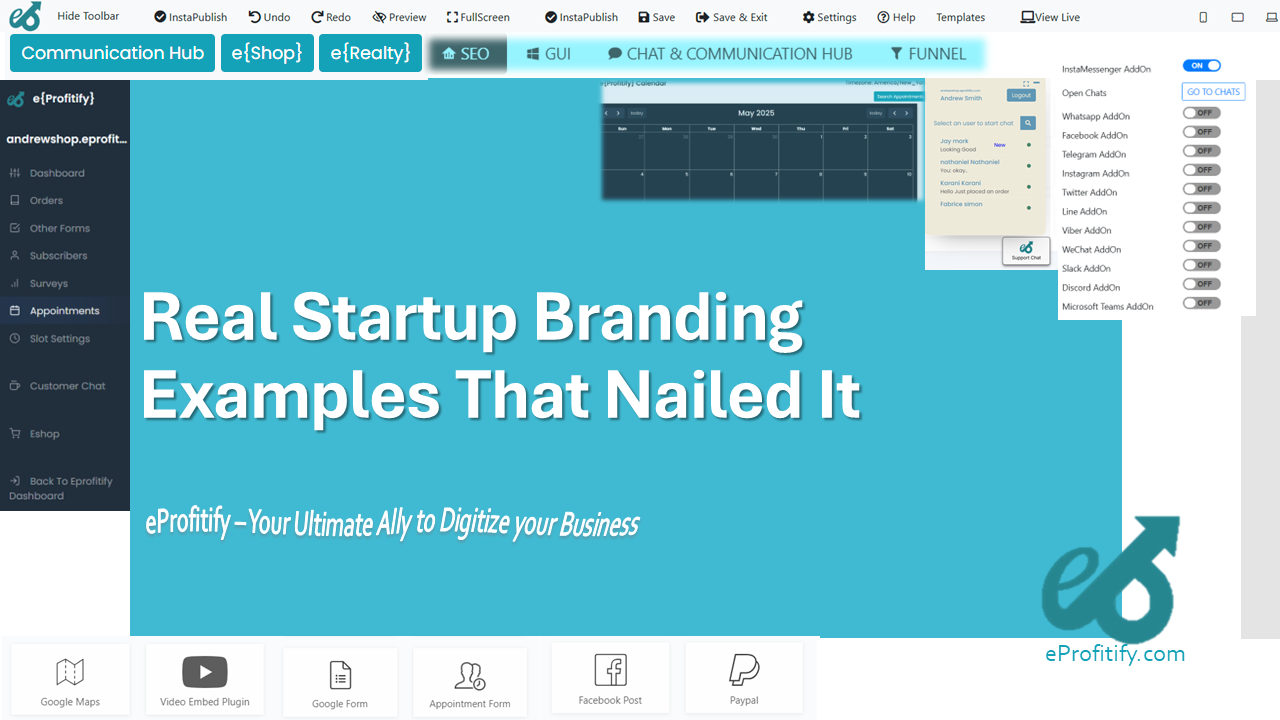
In this guide, we’ll break down how to create an affiliate program for your restaurant, including actionable steps, industry statistics, and how tools like Eprofitify (a leading website publishing and management platform) can simplify the process with features like instant messaging, CRM, and ecommerce integrations.
Step 1: Define Your Goals & KPIs
Start by outlining what you want your affiliate program to achieve. Common goals include:
- Increasing online orders (e.g., takeout/delivery via your website).
- Boosting foot traffic during off-peak hours.
- Promoting seasonal menus or events.
- Building email lists for repeat customers.
Align your KPIs with these goals. For example:
- Track click-through rates (CTR) from affiliate links.
- Measure conversion rates (e.g., bookings or orders per referral).
- Monitor customer lifetime value (CLV) from affiliate-driven customers.
Statistic: Restaurants that use affiliate marketing report a 20–30% increase in sales compared to those relying solely on traditional ads (Forbes, 2023).
Step 2: Identify the Right Affiliates
Not all affiliates are created equal. Focus on partners whose audience aligns with your restaurant’s brand. Consider:
- Food bloggers/influencers: Micro-influencers (10k–100k followers) boast 60% higher engagement rates than macro-influencers (HubSpot, 2023).
- Local news or lifestyle websites: Partner with platforms that highlight trendy dining spots.
- Loyalty app developers: Collaborate with apps that gamify restaurant visits.
- Existing customers: Turn regulars into advocates with referral rewards.
Use Eprofitify’s CRM tools to segment and manage affiliate relationships. Its instant messaging feature also streamlines communication, ensuring prompt responses to inquiries or campaign updates.
Step 3: Structure Your Commission Model
Restaurants typically use one of these models:
- Pay-per-sale: A flat fee or percentage (e.g., 10–15%) per order or reservation.
- Pay-per-lead: Reward affiliates for email sign-ups or app downloads.
- Hybrid: Combine sales and engagement-based incentives.
Statistic: The average commission rate for restaurant affiliate programs is 8–12% (Affise, 2023), though high-end establishments may pay up to 20% for premium referrals.
Be transparent about payment terms (e.g., monthly payouts) to build trust with affiliates.
Step 4: Create Promotional Materials
Equip affiliates with easy-to-use marketing assets:
- Unique discount codes (e.g., “SAVE10” for 10% off).
- Banners and social media templates.
- Pre-written captions highlighting your USP (e.g., farm-to-table ingredients).
Eprofitify’s ecommerce tools allow you to generate and track custom promo codes, while its website builder makes it easy to design branded landing pages for affiliate campaigns.
Step 5: Implement Tracking & Analytics
Accurate tracking ensures affiliates get fair compensation and helps you optimize campaigns. Essential tools include:
- Affiliate tracking software to monitor clicks, conversions, and ROI.
- Google Analytics to analyze traffic sources.
- UTM parameters for granular campaign insights.
Eprofitify simplifies this with built-in analytics dashboards that display real-time data on affiliate performance, orders, and customer behavior.
Statistic: Restaurants using data-driven marketing strategies achieve 3x higher ROI than those that don’t (McKinsey, 2022).
Step 6: Launch & Promote Your Program
Announce your program via:
- Email newsletters to existing customers and partners.
- Social media shoutouts.
- Partnerships with local businesses (e.g., boutique hotels, event planners).
Use Eprofitify’s appointment management system to sync affiliate-driven reservations with your calendar, reducing no-shows and optimizing table turnover.
Step 7: Monitor, Optimize & Scale
Continuously refine your program by:
- Analyzing top-performing affiliates and replicating their strategies.
- A/B testing offers (e.g., free dessert vs. 15% off).
- Providing seasonal training to affiliates (e.g., promoting holiday menus).
Eprofitify’s CRM helps track affiliate interactions, ensuring timely payments and personalized rewards to keep partners motivated.
Statistic: 74% of marketers say affiliate marketing delivers the highest-quality customers (Rakuten, 2023).
Why Eprofitify is the Perfect Partner for Your Affiliate Program
Eprofitify stands out as an all-in-one solution for restaurant affiliate marketing with:
- Instant Messaging: Communicate with affiliates in real time.
- Appointment Management: Sync reservations and reduce overbookings.
- CRM Tools: Organize affiliate partnerships and customer data.
- Ecommerce Integration: Create discount codes and track sales.
- Analytics Dashboards: Monitor campaign success at a glance.
For example, a seafood restaurant in Miami used Eprofitify to scale its affiliate program, resulting in a 40% increase in weekend bookings within three months.
Final Tips for Success
- Start small: Pilot your program with 5–10 trusted affiliates.
- Stay compliant: Ensure GDPR/CCPA compliance when collecting customer data.
- Celebrate wins: Recognize top affiliates on social media to boost morale.
Affiliate marketing is a low-risk, high-reward strategy for restaurants to expand their reach. By leveraging tools like Eprofitify, you can streamline operations, nurture partnerships, and turn influencers and customers into powerful brand ambassadors.
Statistic: Restaurants with affiliate programs see 25% higher customer retention rates (Forbes, 2023). Now is the time to turn your diners into advocates and your competitors’ customers into regulars!